The skin microbiome and postbiotic ferments: strengthening the skin’s natural defences
‘Ferments’, ‘microbiome’, ‘recovery’: K-beauty loves this vocabulary, and cosmetic science is genuinely interested in it. But between the real active and the buzzword lies a trap — the ‘probiotic’ one. Let’s untangle it.
‘Fermented’ skincare
Fermenting means putting micro-organisms to work on a raw material, then inactivating them and keeping the ‘juice’: metabolites, peptides, enzymes. On an INCI list, you will see Bifida Ferment Lysate, Galactomyces Ferment Filtrate (the famous ‘Pitera’), Lactobacillus Ferment… Fermentation can make certain compounds smaller, and therefore more available to the skin.
Postbiotic, not probiotic
Here is the right word: postbiotic. A probiotic means live bacteria. But cosmetics are preserved, so they contain none. Writing ‘probiotic’ on a skincare product is therefore false and misleading. What we have are postbiotics — the bioactive compounds produced by fermentation, stable and free from live bacteria.
We don’t put live bacteria on the skin. We apply what fermentation has produced: postbiotics.
What ferments do
- Bifida Ferment: hydration and barrier comfort.
- Galactomyces: radiance, a more even tone, refined texture — very much its home ground.
- Lactobacillus: helps support the balance of the surface microbiome, for soothed skin.
- Beta-glucan: soothing, and one of the best-documented actives for smoothing and plumping.
- Oat (amino acids): soothes and comforts reactive skin.
Much of the data on ferments is obtained in vitro on the active. It sheds light on the mechanism, but only becomes a ‘result’ if it is measured on the finished product. We never dress up a lab figure as a promise about your skin.
What we can say
- Supports / rebalances the surface microbiome
- Postbiotics; ‘microbiome-friendly’
- Hydrates, revives radiance, strengthens barrier comfort
- Helps strengthen the skin’s natural defences against external stressors
What we won’t say
- ‘Live probiotics’
- ‘Kills bad bacteria’
- ‘Boosts immunity’ / ‘restores the flora’
- ‘Repairs DNA’ (biotech / medical language)
The ‘after’ phase: recovery
In the grammar of Korean skincare, after the strain (UV, pollution, cold, strong actives) comes the ‘after’ phase: a recovery phase in which you help the skin regain comfort and balance. That is exactly the territory of ferments and the microbiome: we talk about surface balance and comfort, never about medical ‘post-procedure’ care.
At Seoul Paris Care
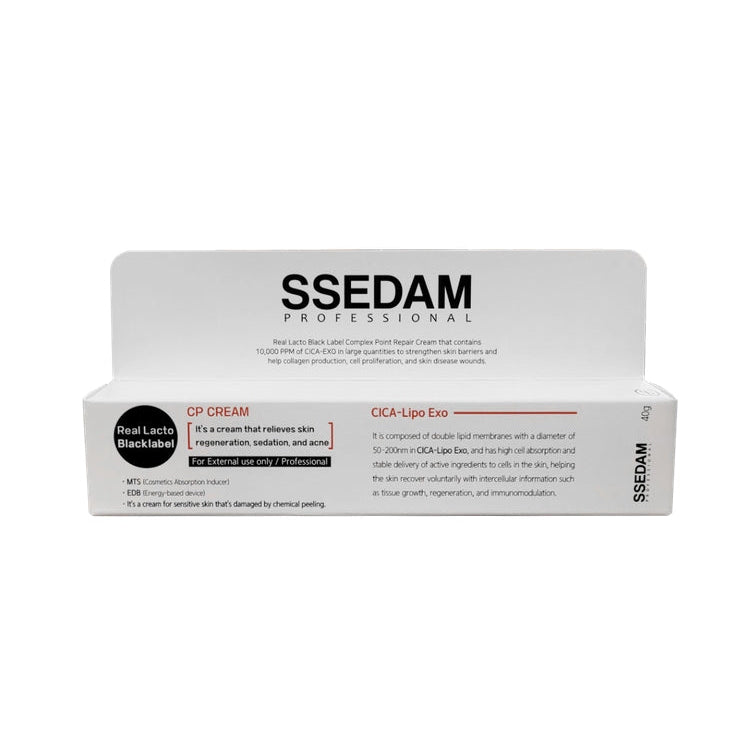
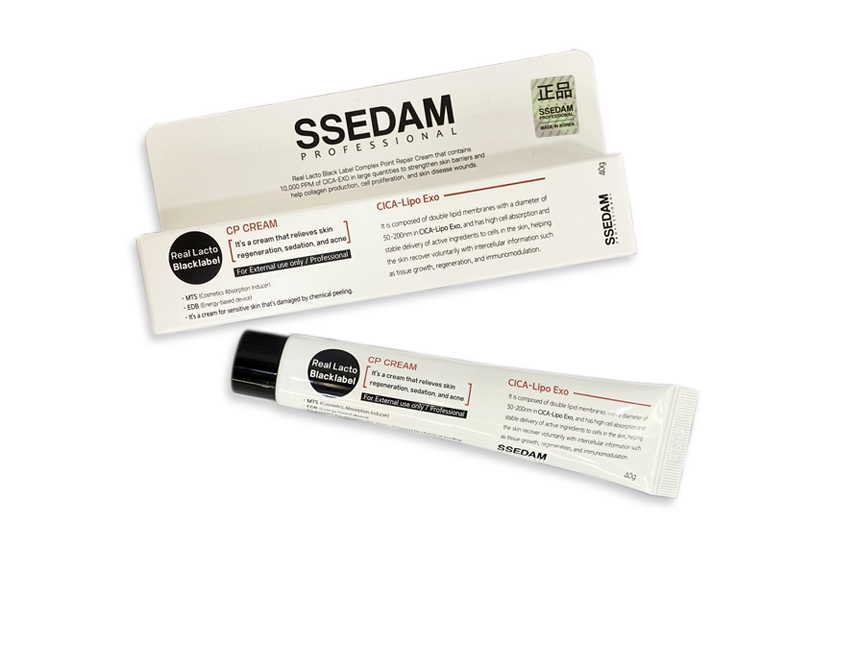
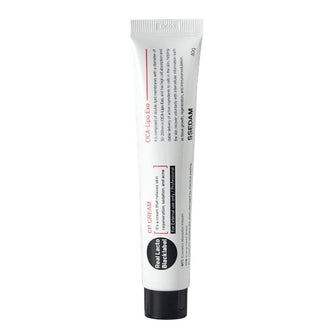
This is the world of SSEDAM: skincare designed around the microbiome and skin recovery.
Frequently asked questions
Probiotic or postbiotic?
Postbiotic. A preserved cosmetic does not contain live bacteria; it contains the compounds produced by fermentation (metabolites, peptides). ‘Probiotic’ (alive) would be misleading.
What does ‘supporting the microbiome’ mean?
Helping to preserve the balance of the skin’s surface flora, for more comfort and a more resilient barrier. We stay at the surface — no claims about immunity or a ‘rebuilt’ flora.
Can these products fix damaged skin?
They support barrier comfort and the balance of the microbiome. They do not act on a lesion or a disease: they are cosmetic recovery products.
Sources & framework
- The skin microbiome (review) — PMC10558477.
- Beta-glucan (wrinkles, elasticity) — PMC6017669.
- Claims framework — Regulation (EU) No 655/2013 & ARPP V8.
This article is for information only and is not medical advice. A cosmetic cares for and enhances the skin; it is not a medicine.